Preserving Patient Safety with Healthcare IT/ Part 1- Preventing Medical Gaslighting & Diagnostic Errors
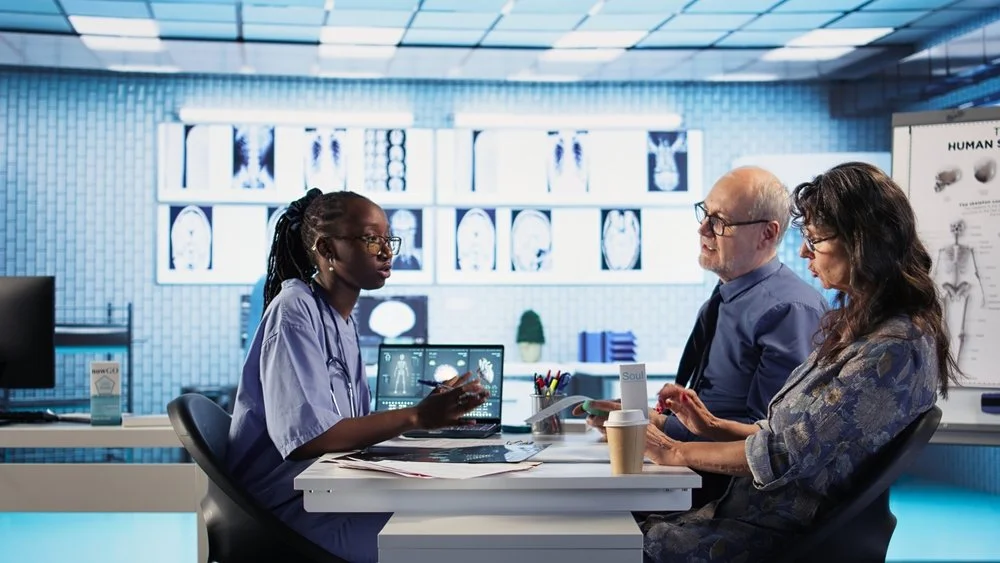
Based on the Emergency Care Research Institute (ECRI) and the Institute for Safe Medication Practices (ISMP) 2025 Patient Safety Report, the top five patient concerns in healthcare are medical gaslighting, diagnostic errors, insufficient AI-governance, medical misinformation, and cybersecurity and data privacy concerns. Since patient safety is a mission-critical mandate for our clients, we have started a multi-blog series addressing the safety challenges and their IT solutions, entitled “Preserving Patient Safety with Healthcare IT.” Medical gaslighting and diagnostic errors will be covered in Part 1 of the series.
According to a Fierce Healthcare article, medical gaslighting is ranked #1 on the 2025 list. A 2023 survey found that 94% of respondents reported instances where they felt their symptoms were being ignored or dismissed by a doctor. Fifty-eight percent said their symptoms worsened after a doctor dismissed their concerns, and 28% experienced a health emergency as a result. Time pressures and clinician bias are key drivers.
Diagnostic errors are another patient safety challenge. The "big three" diagnostic errors — missed or delayed diagnoses of cancer, major vascular events, and infections — remain among the most critical patient safety concerns. These failures can be life-threatening and are often tied to the dismissal of patient-reported symptoms.
Preventing Medical Gaslighting & Diagnostic Errors
Patients want to be heard, kept safe, and protected, both physically and digitally, so here's a breakdown of how technology is actively fighting both medical gaslighting and diagnostic errors:
AI-Powered Diagnostic Support
AI tools can detect patterns that human healthcare providers might miss, enhancing diagnostic accuracy and making advanced diagnostic tools more accessible. This acts as a critical check — when a clinician dismisses a symptom, AI may flag it based on data patterns alone, bypassing human bias.
Research has shown that AI systems can improve the accuracy of cancer diagnoses by up to 20% while reducing analysis time by 50%. In breast cancer pathology, AI-assisted workflows have demonstrated an ability to cut error rates significantly.
Clinical Decision Support Systems (CDSS)
The development of standardized checklists and comprehensive evaluation processes helps minimize diagnostic errors and biases. CDSS tools embedded in electronic health records (EHRs) prompt clinicians to consider alternative diagnoses before closing a case — reducing the chance that a patient's concern gets brushed aside.
Patient-Facing Communication & Voice Technology
Automatic speech recognition, natural language processing, and machine learning algorithms help conversational AI tools understand and react to natural conversations and learn from each interaction. Patient-facing chatbots and symptom trackers let patients document their concerns in detail before and after appointments — creating a timestamped record that's harder to ignore.
Wearables & Remote Patient Monitoring
AI's role in modern medicine spans disease detection, personalized care, patient monitoring, and wearable health technologies. Wearables like continuous glucose monitors and smartwatches generate objective, real-time health data — giving patients concrete evidence to present to providers and reducing reliance solely on a clinician's subjective assessment.
Telehealth & Access Equity
Machine learning, telehealth platforms, and clinical decision support systems have the potential to address barriers to timely and accurate healthcare in rural and underserved communities, which face shortages of specialists, limited diagnostic infrastructure, and geographic isolation. These same populations are disproportionately affected by medical gaslighting, so expanded access is a direct countermeasure.
The Caveat: Technology Alone Isn't Enough
Healthcare providers must still prioritize empathetic, respectful communication and integrate patient and caregiver insights into the diagnostic and treatment processes. Technology is a powerful tool, but it amplifies — not replaces — the human elements of trust and communication in care.
In short, technology helps by making patient data objective, traceable, and harder to dismiss — shifting power back toward the patient.